AI in Product Design: What It Actually Speeds Up, and What It Quietly Ruins
A working designer's split of where AI earns its place in the process, and where it costs you more than it saves.
- UI/UX
- Product Design
- AI
- Workflow
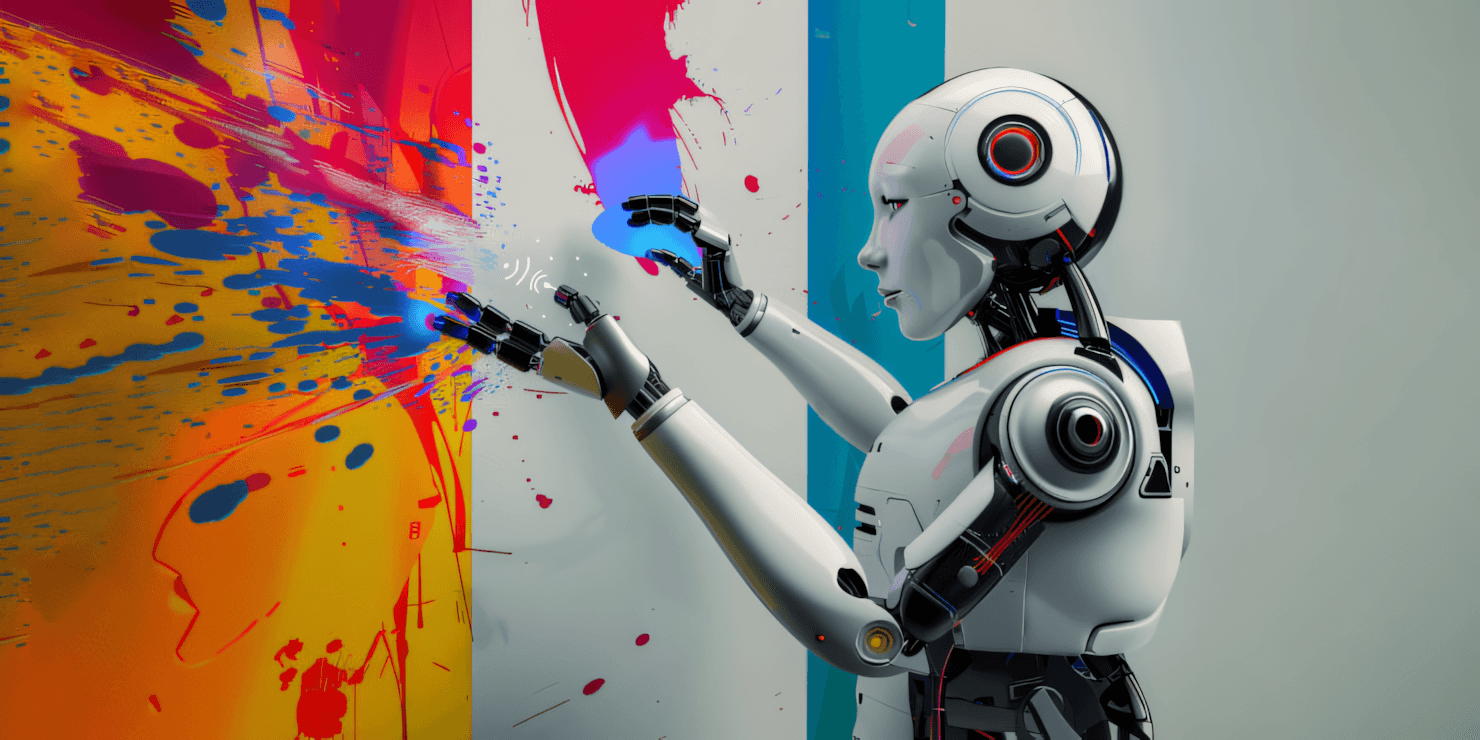
Roughly 91% of designers now use AI weekly, up from about half a year earlier. Speed is no longer the bottleneck in product design. Judgment is.
I use AI every day. I also throw away a lot of what it gives me. Here is the honest split, based on what survives review and what does not.
The rule that decides everything
AI is fast at work that has a correct answer. It is unreliable at work that requires a decision.
Renaming 60 layers has a correct answer. Choosing what a fintech app should feel like to a nervous first time user does not. Once you sort tasks by that line, the tool choices get obvious.
Where AI genuinely earns its place
Setup and cleanup. Layer tidying, renaming, palette generation, background removal, resizing for six breakpoints. This is the invisible 20 to 30% of a designer's day and it has no creative value. Figma AI handles most of it inside the file you are already in.
Exploration volume. Instead of one direction because you ran out of time, you get six. Figma Make generates native Figma objects that respect your existing components and variables, so the handoff stays clean. Google Stitch is free and fine for quick throwaway exploration.
Design to code. This is where the biggest hours disappear. v0 by Vercel produces real React components, not a screenshot. Cursor and Claude Code let you fix a padding issue yourself instead of filing a ticket and waiting four days. Figma's MCP server pipes your actual design context into the code tool so it stops guessing.
Research synthesis. Forty interview transcripts into themes in minutes. Maze and Hotjar for behavioural signal. Important: use AI to find patterns in real data, never to invent the data.
Assets. Midjourney v7 and Firefly are good enough now that spotting AI in a hero image is genuinely hard. Use them for illustration and hero art. Do not use them for photos of real products or real people.
Where it quietly ruins your work
Everything converges to the same design. This is structural, not a prompt problem. A model predicts from statistical patterns, so it drifts to the safe center of its training data. Point ten different products at one vague prompt and you get the same answer back: Inter, a purple gradient, a centered hero, three rounded cards with little icons. The community calls it AI slop.
It is not ugly. That is what makes it dangerous. It is polished, accessible, structurally correct, and completely forgettable. For a founder, sameness is not a design complaint, it is a positioning failure you paid for.
It designs the happy path only. AI gives you the screen where everything works. Real products live in error states, empty states, loading, offline, a 40 character name that breaks your layout, and German text that runs 30% longer. That gap is where the rework hides.
It sounds confident about users it has never met. Ask for a persona and you will get a plausible, well written fiction. Plausible is not true.
How I keep the output from going generic
Vague prompts get you the average of the internet. Specific constraints get you something usable.
Feed it your design system first, so it works from your tokens instead of its defaults. Write what to avoid, not just what you want. "Avoid soft shadows, no rounded corners, no gradient" removes the safe center and forces a real choice. And give it structural references from products with an actual point of view, not a style adjective.
The part that did not change
AI moved the bottleneck. It did not remove it. The generation step is nearly instant now, so the human review step is the whole job.
The designers doing well right now are not the ones prompting fastest. They are the ones who can look at six good-looking options and say why five of them are wrong. That skill is the same one it always was. It just matters more now that everyone can produce output.
Learn to direct, and edit ruthlessly.